
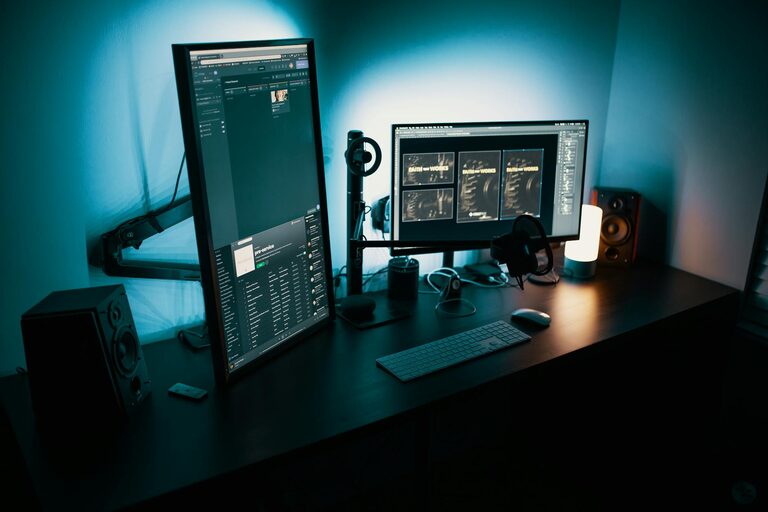
Creating a productive home office environment is essential for anyone working remotely or juggling projects at home. A well-organized and thoughtfully designed space can improve your focus, enhance creativity, and make your workday more enjoyable. Whether you have a dedicated room or just a small corner in your living space, these tips will help you set up an effective home office that supports your productivity and well-being.
Choose the Right Location for Your Home Office
Start by selecting a quiet spot with minimal distractions. Ideally, your home office should be separate from high-traffic areas like the kitchen or living room. A dedicated space signals to your brain that it’s time to work, helping you mentally separate your job from daily home life.
– Natural light: If possible, pick a spot near a window to benefit from natural light. It helps reduce eye strain and boosts your mood.
– Minimal noise: Avoid areas near noisy appliances or street-facing windows. Consider noise-canceling headphones if you can’t control the environment.
– Privacy: Look for a space where you can close the door or have some form of privacy during calls or focused tasks.
Invest in Comfortable and Ergonomic Furniture
Your furniture choices directly affect your comfort and health, which in turn influences productivity.
– Desk: Choose a desk with enough surface area for your computer, documents, and other essentials. Consider a standing desk or a desk converter to alternate sitting and standing.
– Chair: An ergonomic chair with adjustable height, lumbar support, and armrests can prevent back and neck pain.
– Monitor position: Place your screen at eye level to reduce strain on your neck and eyes.
– Accessories: Use a footrest or wrist supports if needed for additional comfort.
Organize Your Space for Efficiency
A clutter-free workspace helps reduce distractions and stress.
– Storage solutions: Use shelves, filing cabinets, or bins to keep documents and supplies organized.
– Desk essentials: Keep only what you need daily on your desk to avoid clutter.
– Cable management: Use clips or sleeves to organize cords and prevent a tangled mess.
– Digital organization: Maintain tidy digital files and folders alongside your physical space.
Optimize Lighting and Colors
Lighting and color choices can impact productivity and mood.
– Artificial lighting: Use adjustable desk lamps to supplement overhead lighting and reduce glare.
– Warm vs. cool light: Cool white light tends to keep you alert, while warm light can create a relaxing atmosphere; use both according to the time of day and task.
– Color palette: Choose calming colors like blue or green, which can enhance focus, or use energetic colors like yellow in small doses for creativity.
Minimize Distractions
Limiting interruptions helps maintain focus and work flow.
– Turn off notifications: Silence non-essential notifications on your phone and computer during work hours.
– Create boundaries: Set clear rules with family members or housemates about when not to disturb you.
– Use “do not disturb” signs: Place signs outside your door when in meetings or deep work.
– Use ambient noise: Background sounds like white noise or low music can help some people concentrate.
Incorporate Personal Touches and Wellness Elements
Adding personal elements can make your workspace inviting and reduce stress.
– Plants: Indoor plants improve air quality and add a soothing element.
– Photos or artwork: Personal items that inspire you can raise your mood.
– Aromatherapy: Subtle scents like lavender or peppermint can help calm or energize.
– Movement: Keep space for stretching or quick exercises to combat sedentary behavior.
Plan Your Workday and Maintain Routine
A productive environment extends beyond physical setup.
– Schedule breaks: Use techniques like the Pomodoro Technique to balance work and rest.
– Set goals: Daily or weekly goals give direction and a sense of accomplishment.
– Dress for work: Changing into work clothes can enhance your mindset.
– End-of-day ritual: Establish a routine to pack up and transition out of work mode.
Leverage Technology Wisely
Technology tools can either help or hinder your productivity.
– Reliable internet: Ensure your connection is strong and stable.
– Useful apps: Utilize task managers, calendars, and communication tools to stay organized.
– Backup solutions: Regularly back up your work data to avoid loss.
– Security: Use antivirus software and secure passwords to protect your work environment.
Final Thoughts
Creating a productive home office environment is about combining comfort, organization, and habits that align with your work style. By making mindful choices about where and how you work, you can transform your home office into a space that supports your success and well-being. Remember, small tweaks over time can make a big difference, so start with changes that feel manageable and build from there.