
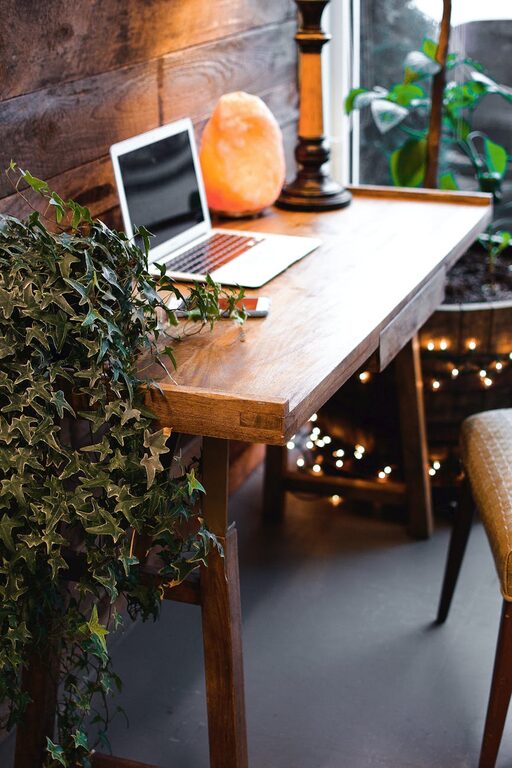
Creating a home workspace that is both relaxing and productive can significantly improve your work-from-home experience. When your workspace feels comfortable and inviting, it encourages focus, reduces stress, and helps you maintain a healthy work-life balance. Whether you are working remotely full-time or occasionally, these tips will guide you in setting up a space that enhances both comfort and productivity.
Why a Relaxing Workspace Matters
A cluttered, uncomfortable, or poorly designed workspace can lead to distractions, discomfort, and burnout. On the other hand, a thoughtful setup that matches your needs can improve your mood, increase your ability to concentrate, and ultimately make your workday more enjoyable.
Key benefits include:
– Reduced stress and fatigue
– Improved focus and efficiency
– Enhanced creativity and motivation
– Clear separation of work and personal life
Choosing the Right Location for Your Workspace
Find a Quiet Spot
Selecting a location with minimal interruptions is crucial. If possible, choose a room or corner away from noisy areas like the TV or kitchen. This quiet environment helps you concentrate better.
Consider Natural Light
Natural sunlight can boost your mood and energy levels. Try to position your desk near a window, but avoid glare that might affect screen visibility. If natural light is limited, use soft, warm artificial lighting.
Optimize for Privacy and Focus
Using room dividers or arranging furniture to create a defined workspace can help your brain recognize “work mode” and block distractions.
Ergonomics: Comfort Meets Productivity
Invest in a Good Chair
A supportive, adjustable chair helps prevent back pain and promotes good posture during long hours of sitting.
Desk Height and Monitor Placement
Keep your desk at elbow height and your monitor at eye level. This setup reduces strain on your neck, shoulders, and wrists.
Use Accessories
Ergonomic keyboards, mouse pads with wrist support, and footrests can add extra comfort to your daily routine.
Declutter and Organize for a Calm Environment
Keep Essentials Within Reach
Only keep items you use daily on your desk to avoid clutter. Use organizers, trays, or drawers to store supplies neatly.
Go Digital Where Possible
Shifting to digital notes and calendars can minimize paper clutter and help you stay organized effortlessly.
Personalize Thoughtfully
Add a few meaningful decorations like plants, photos, or artwork to make the space inviting without overwhelming it.
Incorporate Elements That Promote Relaxation
Add Greenery
Plants improve air quality and create a calming atmosphere. Low-maintenance options like succulents or snake plants work well in offices.
Use Calming Colors
Soft tones such as blues, greens, or neutrals contribute to a soothing environment and reduce visual stress.
Introduce Gentle Scents
A subtle scent from a candle or essential oil diffuser (like lavender or eucalyptus) can help you feel relaxed—but keep fragrances mild to avoid irritation.
Set Boundaries to Maintain Work-Life Balance
Establish a Work Schedule
Define your start and stop times to prevent overworking and reserve downtime.
Create Rituals
Begin your day with simple habits like a cup of tea or a brief stretch session to signal the start of work.
Detach at Day’s End
Physically leaving your workspace or “closing” your laptop acts as a mental cue to disconnect and unwind.
Technology Tips for a Smooth Workflow
Manage Cords and Chargers
Use cable organizers to avoid tangled wires, making your area cleaner and safer.
Improve Sound Quality
If you join frequent video calls, consider headphones with noise-canceling features.
Use Task Management Tools
Apps like Trello or Asana can help keep your projects organized and reduce mental clutter.
Maintain Your Workspace Regularly
Daily Tidy-Up
Before finishing each day, spend a few minutes organizing and clearing your desk.
Weekly Deep Clean
Wipe down surfaces, dust your equipment, and replace office supplies as needed.
Refresh Your Mindset
Take breaks during work hours to stretch, breathe, or step outside. This helps maintain both physical wellness and mental clarity.
Final Thoughts
Creating a relaxing home workspace is about balancing function with comfort. When your environment supports your well-being and work style, productivity naturally follows. By thoughtfully choosing your space, improving ergonomics, organizing effectively, and adding calming touches, you can build a home office that feels like your favorite place to work.
Try these tips to transform your workspace, and enjoy the benefits of a calming and efficient home office!